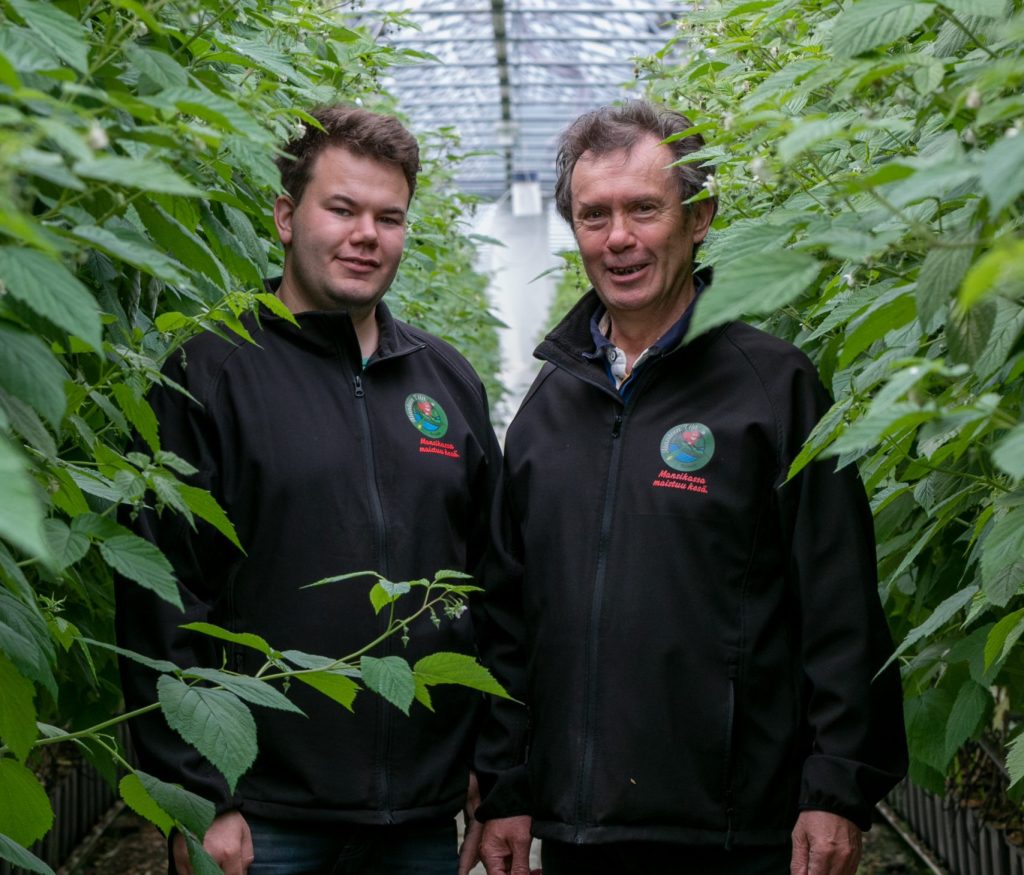
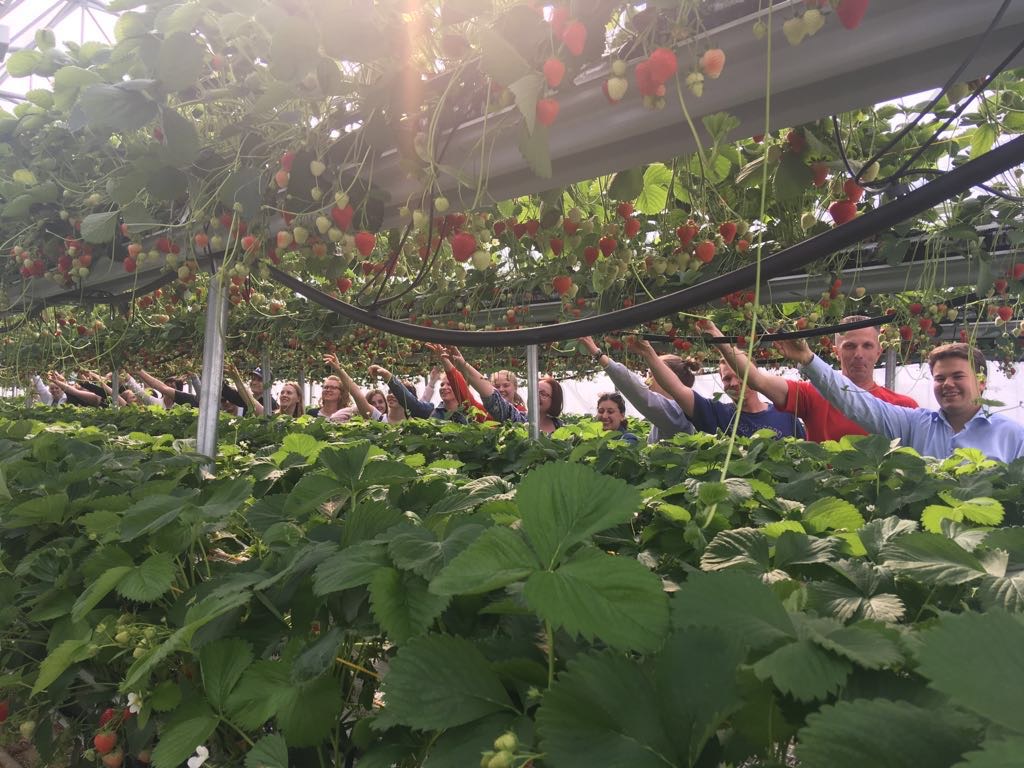
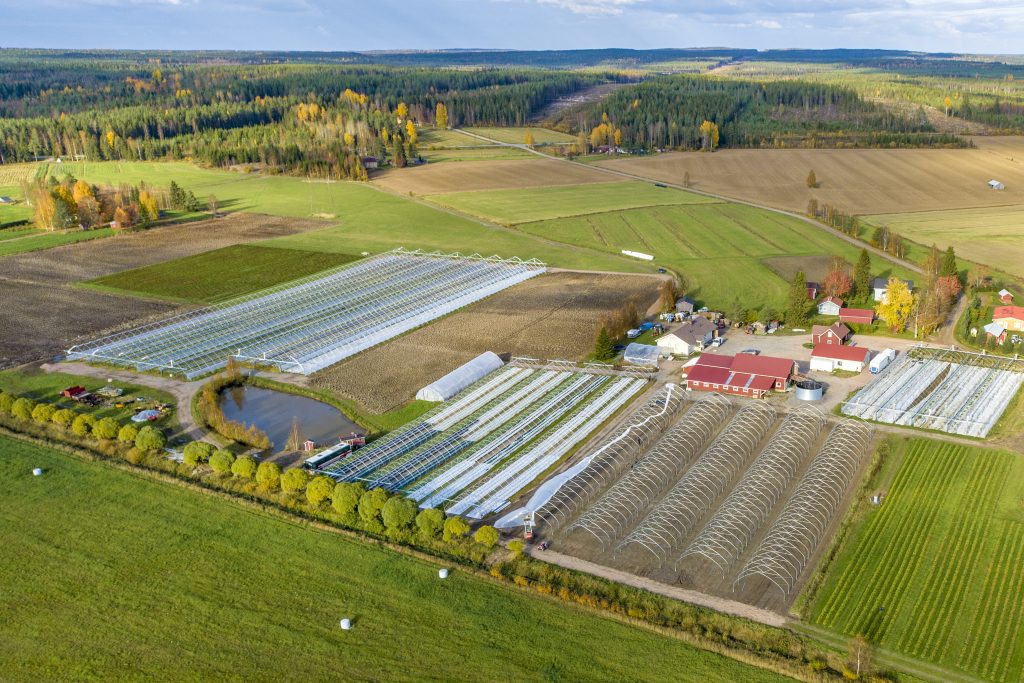
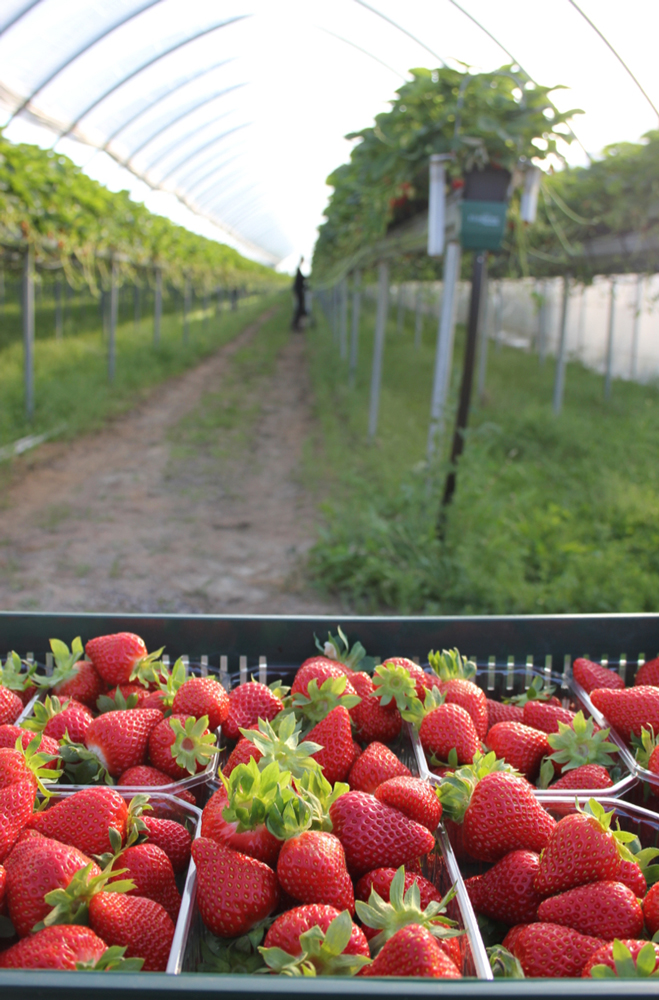
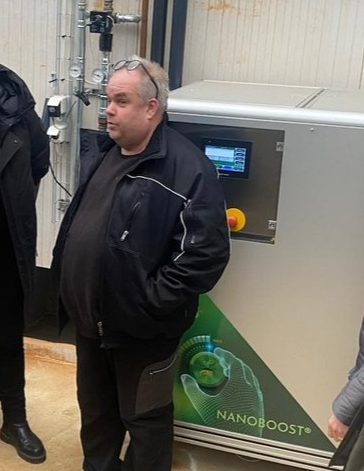
Kosken Marjat Oy, a subsidiary of Alanteen Tila, expanded its cultivation area by acquiring a 6,500-square-meter greenhouse operation in 2025. Kosken Marjat now grows strawberries and raspberries in greenhouses. In Puutarha-Sanomat (4/2026), Aarni Alanne explains that the new cultivation site and earlier production start brought challenges. A solution was sought through oxygen fertilization.
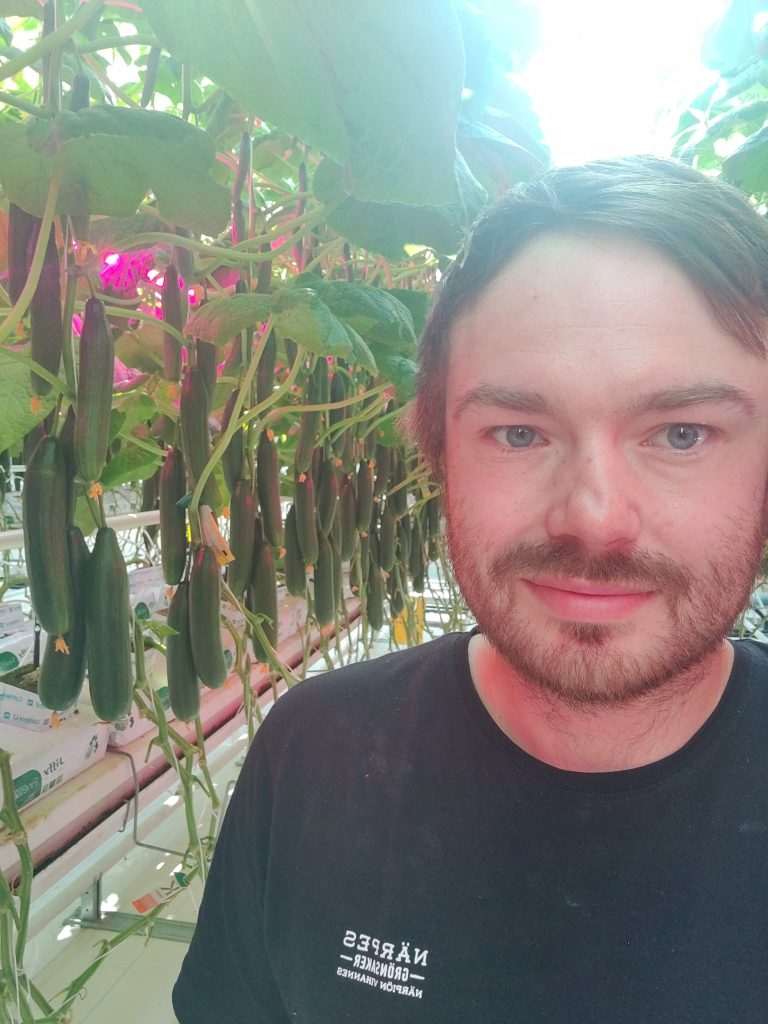
Photo: Aarni and Antti Alanne
Clean but Oxygen-Poor Irrigation Water
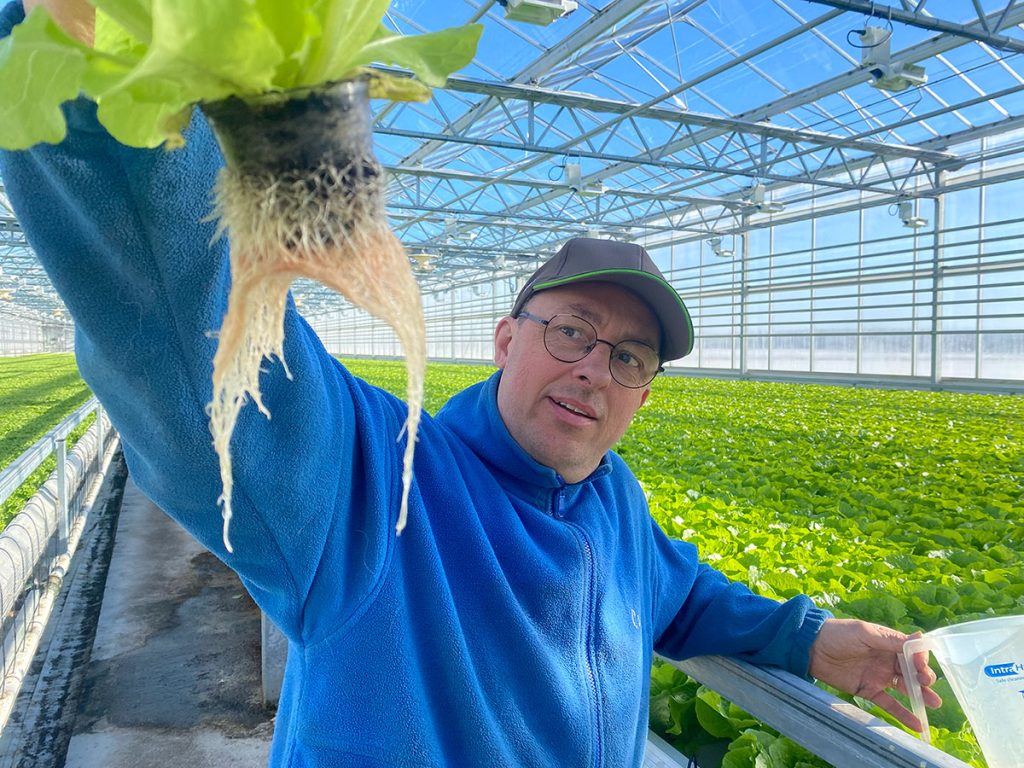
According to Puutarha-Sanomat, the seedlings at the new site initially started growing well, but their vigor faded prematurely. The plants did not develop as expected. Due to weak root formation, the seedlings were unable to absorb sufficient water and nutrients.
The magazine reports that the well water used for irrigation at Kosken Marjat Oy was analyzed and found to be clean, but low in oxygen. This situation is familiar to many growers: groundwater typically contains little oxygen.
Aarni Alanne notes in Puutarha-Sanomat that root development was also weakened by other factors, such as plant diseases, which are partly promoted by oxygen deficiency. Pathogens take advantage of the vulnerability created by a weak root system.
Oxygen Fertilization Restored Seedling Strength Within a Week
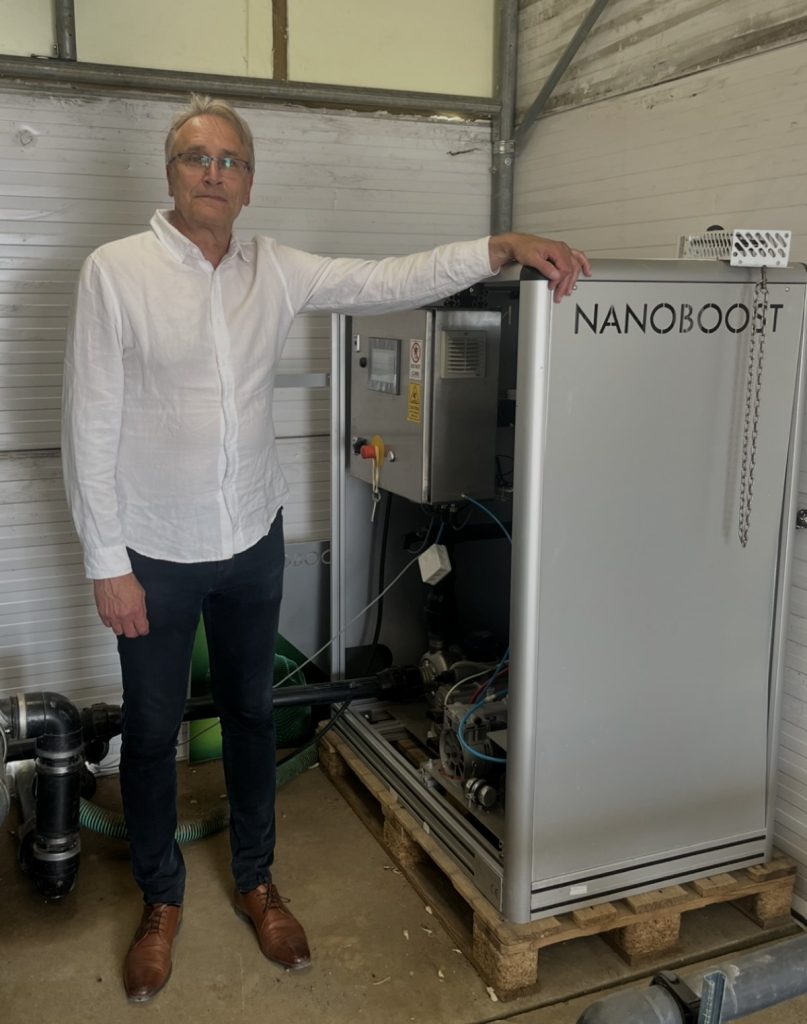
After identifying the oxygen deficiency, an EOD Nanoboost oxygen nanobubble generator was installed at Kosken Marjat Oy. The unit is manufactured in Finland and oxygenates irrigation water using nanobubble technology, which stores oxygen in the water in small, slowly dissolving bubbles.
The results became visible quickly. According to Puutarha-Sanomat, within a week of installation, the seedlings’ proper color had returned and they had firmly established themselves in the growing medium.
This change demonstrates how the oxygen content of irrigation water directly affects root system performance. When roots receive sufficient oxygen, they can efficiently absorb water and nutrients, allowing the plant to reach its full potential.
Not All Oxygen Nanobubbles Are Equal
Nanobubble technology has attracted growing interest in horticulture, but there are also misconceptions in the market. EOD’s Sales Director Peter Christiansen explains the difference between nanobubbles as follows:
“The difference between oxygen nanobubbles and air nanobubbles lies in the gases they contain. Air nanobubbles contain, as the name implies, air, which consists of only about 21 percent oxygen and mostly nitrogen. Therefore, they add only a small amount of oxygen that is beneficial to plants. Oxygen nanobubbles, on the other hand, are produced from as pure oxygen as possible, allowing them to contain over 90 percent oxygen and increase the oxygen content of water much more effectively. This is why the same number of bubbles can produce completely different effects on plant growth.”
Service Model Convincing Customers
Kosken Marjat and Alanteen Tila chose EOD’s service model, in which the customer does not purchase the equipment but instead pays a fixed monthly fee for its benefits. This model makes it straightforward to calculate the profitability of the investment, as ROI can be assessed on a monthly basis.
EOD’s first customer in Närpes dates back to 2022, when lettuce grower Conny Söderback Trädgård AB began cooperation under a service agreement. Since then, several similar agreements have been signed both in Finland and internationally. This has been enabled by the advanced automation of the Nanoboost 2.0 oxygen nanobubble generator, whose operation can be continuously monitored around the clock.
“Previously, customers had doubts about new technologies, but in this case the supplier commits to delivering what is promised,” says Christiansen.
Text: Martti Latva is a Doctor of Chemistry and leads research at the WANDER Research Center, where the benefits and properties of gas-containing nanobubbles have been studied since 2015.
Water is the foundation of cultivation. Without water, plants cannot grow, nutrients do not move, and photosynthesis does not function. Although water may appear uniform at first glance, its properties can vary significantly—differences that have a major practical impact, especially in greenhouse and tunnel cultivation.
The Importance of Water in Cultivation
In everyday language, water is considered a single entity, but in cultivation it often refers to different water sources, such as rainwater, well water (groundwater), surface water (lakes, rivers, ponds), and tap water. These sources can differ in nutrient content, salt levels, pH, microbiology, and dissolved oxygen. These differences directly affect plant health and cultivation efficiency.
For plants, water is not just hydration—it acts as a transport medium for nutrients, a structural component of cells, a temperature regulator, and an enabler of growth. Plant roots absorb water from the soil or growing medium, but they also require oxygen to respire. This is an important but often underestimated factor.
Oxygen in Water
Water can contain oxygen in dissolved form, referred to as dissolved oxygen. With modern nanobubble technology, it is also possible to introduce oxygen-containing nanobubbles into irrigation water. However, not all nanobubbles are equal in terms of oxygen content, which is why a distinction is made between oxygen nanobubbles and air nanobubbles.
Oxygen vs. Air Nanobubbles
The difference between oxygen nanobubbles and air nanobubbles lies in the gases they contain. Air nanobubbles consist of air, which contains only about 21% oxygen and mostly nitrogen. As a result, they provide relatively little plant-beneficial oxygen.
Oxygen nanobubbles, on the other hand, are produced from highly pure oxygen and can contain over 90% oxygen, significantly increasing the oxygen content of water. Therefore, the same number of bubbles can have very different effects on plant growth.
Why Do Roots Need Oxygen?
Plant roots respire like all living cells. They use oxygen to produce energy, actively take up nutrients, and sustain growth. If water or the growing medium lacks sufficient oxygen, roots effectively “suffocate,” nutrient uptake declines, growth slows, and diseases such as root rot become more common.
Greenhouse Cultivation
In greenhouses, conditions are often carefully controlled. Irrigation is typically automated, and closed-loop systems are frequently used, where water circulates. In such systems, water quality becomes critical—especially if the water stands still or recirculates, as oxygen levels can decrease.
Warm water holds less oxygen, and oxygen-poor water can quickly reduce yields. That is why greenhouses may use water oxygenation (aeration), optimized circulation systems, and temperature control.
Factors Affecting Oxygen Levels in Water
Several factors influence how much oxygen water contains:
Temperature: cold water holds more oxygen than warm water
Movement: flowing or bubbling water absorbs more oxygen, while stagnant water loses it
Storage: water stored for long periods in closed containers loses oxygen
DO Measurement (Dissolved Oxygen)
Monitoring water quality is increasingly important in greenhouse and tunnel cultivation. One of the key parameters is dissolved oxygen (DO). DO indicates how much oxygen is dissolved in water and is typically measured in mg/l or percent saturation (%).
In practice, these values indicate how well plant roots receive oxygen through irrigation water.
What Should the DO Level Be?
There is no single perfect value for all conditions, but the following guidelines are commonly used:
DO Value
Assessment
Below 4 mg/l
Clearly too low, risk of root stress
4–6 mg/l
Acceptable but risky in warm conditions
6–8 mg/l
Good level for most crops
Above 8 mg/l
Excellent oxygen level
10–14 mg/l
Possible in cold or actively oxygenated water
Most greenhouse systems aim for at least 6–8 mg/l.
Practical Effects on Cultivation
Adequate dissolved oxygen is visible in cultivation outcomes:
White, healthy roots
Efficient nutrient uptake
Uniform growth
Improved yields
Low oxygen levels, on the other hand, result in:
Brown or slimy roots
Nutrient deficiencies
Slower growth
Increased disease risk
What Can Growers Do?
Improving water quality does not always require major investments. Even small actions can make a big difference:
Avoid prolonged water stagnation
Use cool water when possible
Ensure good water circulation
Avoid over-irrigation
Keep irrigation systems clean
In more advanced systems, water can be actively oxygenated or aerated using:
Equipment that produces oxygen nanobubbles
Oxygen injection from tanks
Air injection via compressors
In addition, dissolved oxygen can be monitored and irrigation optimized accordingly.
Summary
Not all water is the same in greenhouse and tunnel cultivation. The chemical and microbiological composition, temperature, and especially dissolved oxygen levels directly affect plant health.
In controlled environments like greenhouses and tunnels, oxygen levels in water can be a critical factor for successful yields. Ultimately, the principle is simple: plant roots need both water and oxygen. When these are in balance, both growth and productivity improve.
Research-Based Development – From Practice to Proven Results
What Is EOD Oy – A Finnish Company Focused on Oxygen Nanobubble Technology?
“Our goal is to provide plants with the easiest possible, stress-free growing conditions through preventive measures, thereby improving yield, plant health, and overall cultivation efficiency.
Because our operations are based on scientific knowledge, we invested early on in deep understanding and validation of our technology’s effects. Between 2022 and 2024, we conducted a comprehensive research project in collaboration with Satakunta University of Applied Sciences and plant producers as part of the NABLE project (Enhancing Agricultural Production with Nanobubbles).
The study combined practical cultivation experience with scientific monitoring and analytics. As a result, EOD’s oxygen fertilization system was developed. Its oxygen enrichment method utilizes the most advanced and energy-efficient technology available to increase oxygen levels in irrigation water.
At the same time, we obtained concrete evidence of how oxygen-rich irrigation water and oxygen fertilization support root health and balanced plant growth.” — Henna Niskakoski, Chief Scientific Officer, EOD Oy
For years, the lettuce farm Conny Söderbacks Trädgård Ab Oy suffered heavy losses caused by Pythium. The situation changed in 2022 when the farm introduced EOD Nanoboost. Since then, production volumes have improved significantly—by up to 30%. Read below how Nanoboost helped save their business.
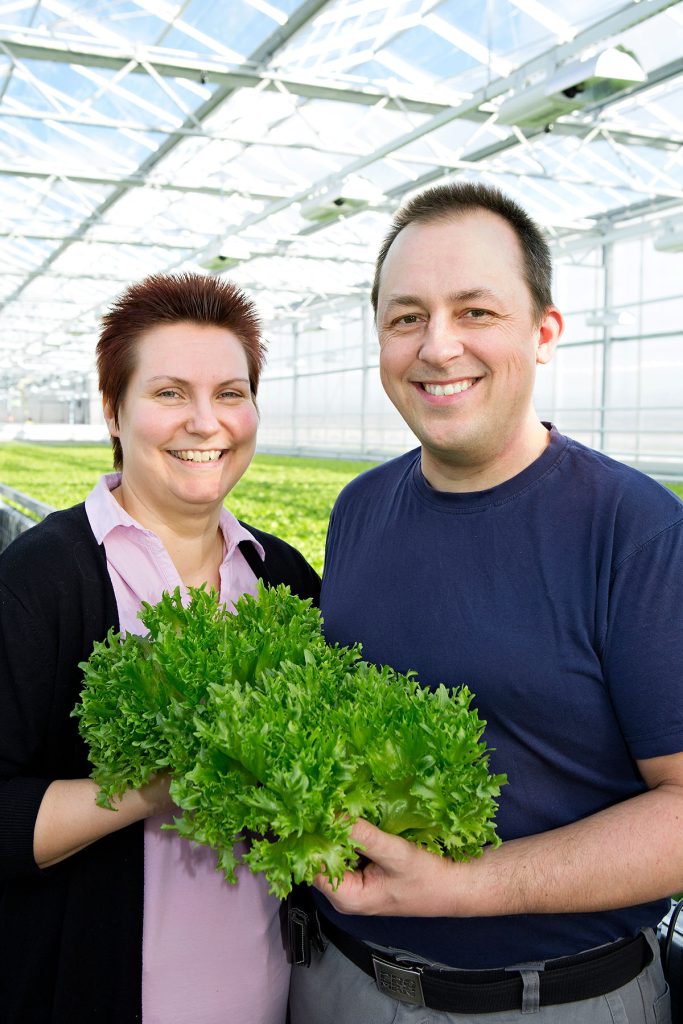
Conny Söderback and Lisbeth Kosonen are pleased that root disease problems are now behind them, thanks to EOD and Nanoboost.
Courage Is Needed to Try Something New
Conny Söderbacks Trädgård Ab Oy is located in Northern part of Pirttikylä in the municipality of Maalahti. The company grows iceberg lettuce using modern methods on more than 9,000 m² of greenhouse area. All production is sold to Fresh Servant Ltd, whose contract grower the company has been since 2013. Fresh Servant is a Finnish food company specializing in fresh, ready-packed salads and meal solutions.
Efficiency is a key focus on the farm — something that is essential given today’s production costs. The cultivation is done in gutters that move automatically as the crop grows. Workers don’t need to move; the gutters come to them, and the lettuce is always harvested at the same end of the line.
Iceberg lettuce, a cross between crisphead and leaf lettuce, is one of the most important greenhouse crops in Finland. It has a fast growing cycle and a steady demand all year round. Despite the quick turnover, challenges remain — especially root diseases, with Pythium being the most notorious.
“A grower who has experienced Pythium knows what hell is,” – says owner Conny Söderback.
The horticultural sector has faced many challenges in recent years — from COVID-19 to the war in Ukraine and the energy crisis. Conny Söderbacks Trädgård has felt the impact of all of these. On top of that, the farm struggled with severe Pythium problems.
“We decided to try adding oxygen nanobubbles to our irrigation water because we had already tried everything else against Pythium,” Conny explains. “In 2022, energy prices were extremely high, and our production was collapsing.” He had heard about nanobubbles already in 2019, but it took time before the farm was ready to test them.
“Pythium, a genus of microscopic organisms belonging to the oomycetes, is an extremely difficult plant disease. In lettuce it appears as poor growth, and the roots are almost nonexistent. Eventually, something had to be done,” Conny says.
Pythium is very common in hydroponic systems and very hard to control. It can survive in structures, pipelines, and biofilm, which is always present to some extent in irrigation systems. Even thorough disinfection often fails to eliminate it fully—and stopping production completely is rarely financially feasible.
Nanoboost Saved the Production
The farm introduced the EOD Nanoboost system at the end of December 2022. Immediately after commissioning, they noticed significant improvements in production volumes and especially in lettuce growth rates.
“Since we started oxygen fertilization with Nanoboost, neither Pythium nor any other root diseases have caused us any problems,” Conny says with relief.
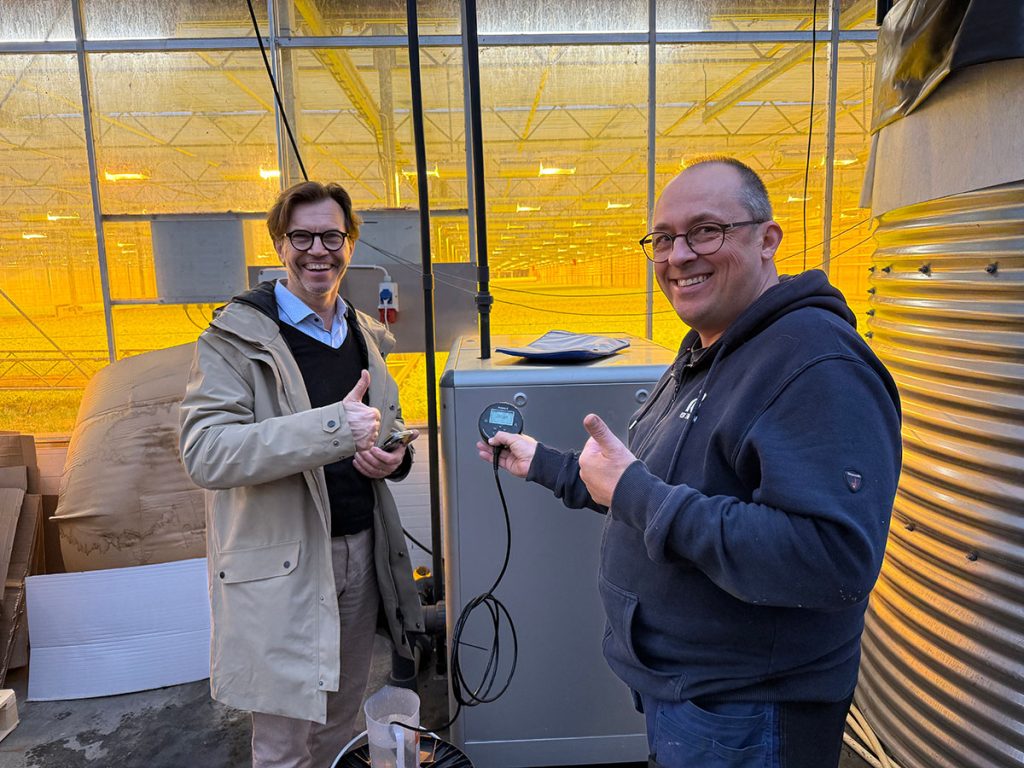
Conny Söderback and EOD’s Sales Director Peter Christiansen measuring the DO level (dissolved oxygen) in the irrigation water.
The farm adopted Nanoboost through a service agreement. For many growers, this is an ideal solution, as Conny explains—it doesn’t put too much strain on cash flow at once. There’s no need to take out a large bank loan, which growers don’t always obtain easily. Payments are handled monthly.
“The service agreement has worked excellently for us. Everything has gone smoothly with EOD. We are very satisfied with the cooperation,” Conny notes.
Oxygen fertilization benefits growers of all sizes — not just large units. Conny Söderbacks Trädgård is a great example of this. EOD is ready to support growers of all scales in improving their production.
“I know that many colleagues struggle with the same problems we used to have. Now we see light ahead, so I encourage others to try adding oxygen nanobubbles to irrigation water. It’s wonderful to be able to sleep well again,” Conny concludes.
Photos by Conny Söderback and Fresh Servant archive
Text: Henna Niskakoski, Chief Scientific Officer, EOD Oy
Kitsböle Home Farm is open and willing to try new farming techniques. The farm has operated without pesticides since the beginning, relying solely on biological control. When Erno heard about EOD’s oxygenation technology, he was immediately interested. Kitsböle Home Farm is EOD’s first commercial garden customer, already since 2022.
“The efficacy of plant protection products is constantly decreasing and they are being removed from the market. Perhaps the most important idea behind our decision to introduce oxygen nanobubble technology was that we can strengthen our production with purely biological measures. We want to be able to do this without biocides when we are, so to speak, in the middle of the green transition,” says Erno about the Kitsböle farm’s decision to explore the new oxygenation technology solution.
Kitsbölen Home Farm produces pure Finnish strawberries in growing tunnels from April to September.
Finnish consumers are increasingly aware and want to eat products grown without pesticides. Finnish berries, fruits, and vegetables are generally among the cleanest in the world, but new sustainable methods are needed to improve yields and the profitability of plant production. It is not a simple task to rely solely on biological farming methods but it requires foresight.
Erno has a feeling that plant diseases in particular can rear their heads when growing conditions are unbalanced, and oxygen supplementation can help to restore the balance. “Before oxyfertigation, gray mold and powdery mildew could ruin up to 30 % of the strawberry harvest. Now powdery mildew is almost gone, and gray mold only occurs in the fall, when the weather gets cooler and the humidity is constantly high. That’s when it’s already time to wrap up the season anyway,” Erno comments and continues, “Every fall, we always think in retrospect about what went wrong this year. With the addition of oxygen, there are significantly fewer things to worry about and the yield per hectare has increased year after year, even though oxyfertigation cannot prevent insect damage. There are always some small worries, but now every summer is a good summer.”
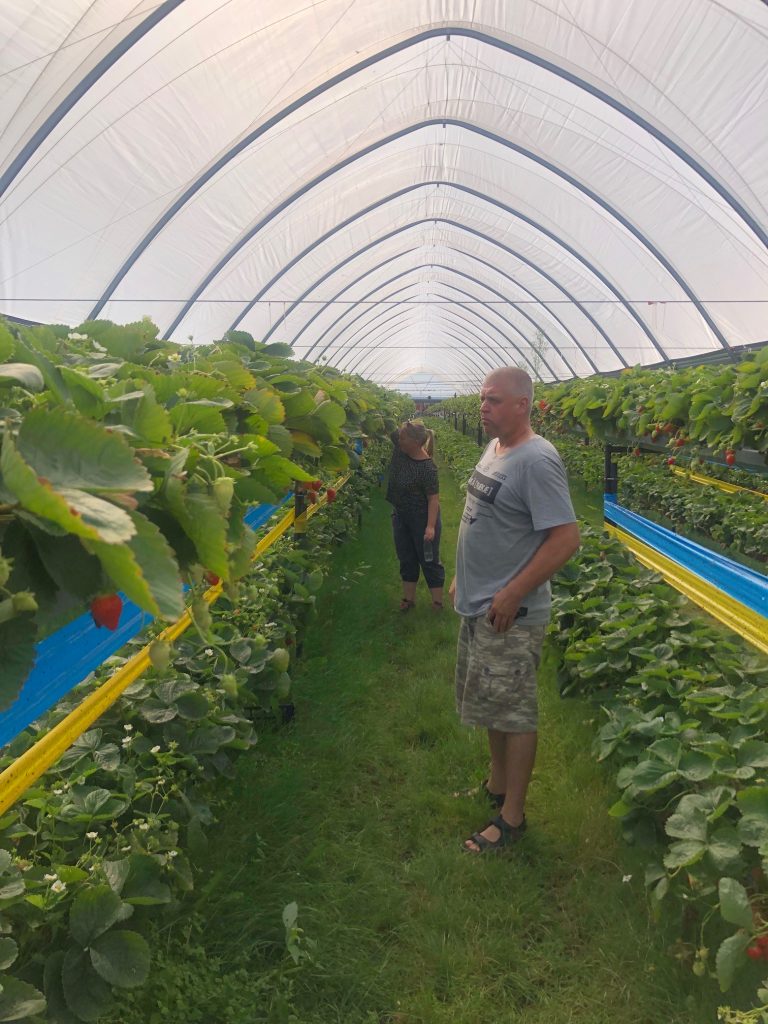
Erno Mikkola and Elina Järvinen doing quality control in the strawberry tunnel.
Oxyfertigation has been found to have also other practical effects that make work easier, and the impact of stress factors on the harvest is less. Elina says that oxygen enriched irrigation water gives, among other things, a little more flexibility when estimating the amount of overwatering: The idea of overwatering is to remove excess fertilizers from the growing medium. However, if you water too much, the growth conditions of the root system can easily become oxygen-deficient, so the oxygen nanobubbles in the irrigation water ensures that the plant has good conditions to grow healthy, and the risks of overwatering are not so significant.
Oxygen nanobubble technology was introduced at Kitsböle Home Farm in 2022 as a part of an EIP cooperation project led by Satakunta University of Applied Sciences. At the beginning of the project, in the 2022 harvest season, only a few strawberry rows received oxygen nanobubbles with the irrigation water, while in the third year of the study in 2024, only a few control rows were left without oxygen nanobubbles. Since the summer of 2025, all rows have received oxyfertigation throughout each irrigation of the season.
At the beginning of the NABLE research project, only a few strawberry rows received oxygen nanobubbles. In year 2025, oxyfertigation has been covering all the tunnels throughout the whole season.
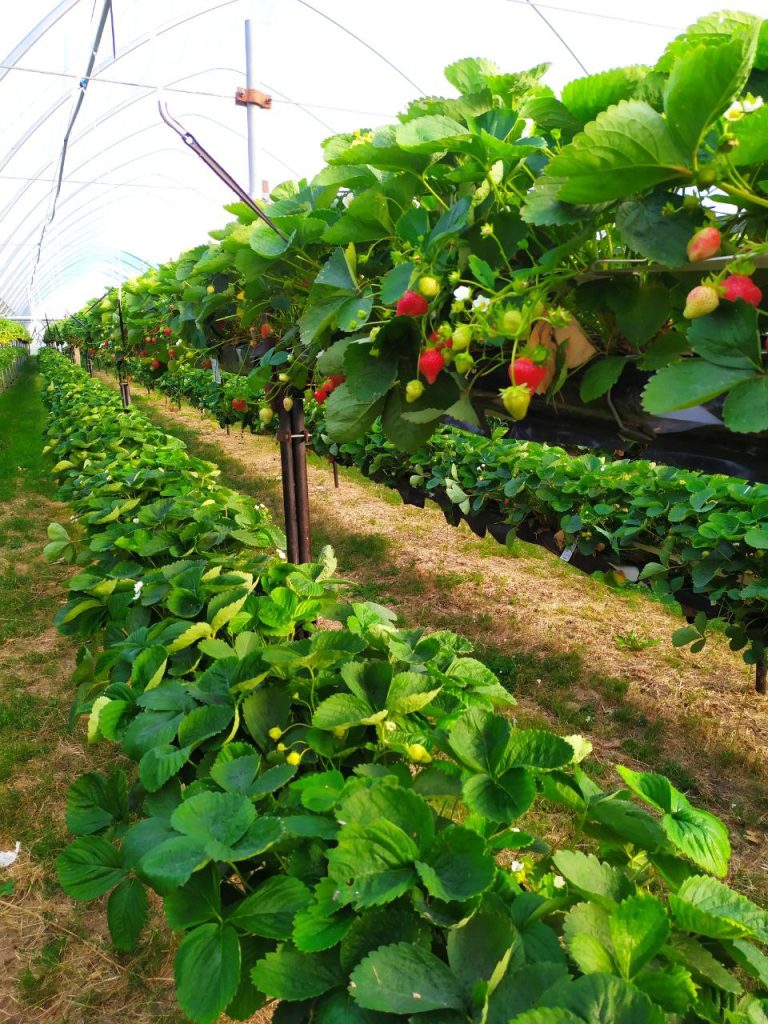
Strawberries are grown in tunnels in two layers in grow bags, where about 30 % of moss and wood fiber has been mixed with peat for several years now. “Cultivation in two layers increases the production efficiency of the production area, although the seedlings in the lower trough still produce an average of 25 % less yield than the seedlings in the upper trough, because, among other things, they receive less light and grow closer to the ground with higher humidity. The direction is right, but it is still possible to improve the production result by optimizing the conditions, especially in the lower troughs,” Elina says.
Since 2022, the strawberry harvest has increased every year. In 2025, when all strawberries received oxygen nanobubbles within the irrigation water, the harvest was 40 % higher when comparing to year 2022. The significant increase in production achieved through oxyfertigation strengthens the profitability of continuous-yield tunnel strawberry production produced using biological methods and encourages us to meet the requirements of both customers and the Green Transition for clean food production. Erno believes that the strong growth will continue and is already thinking about the coming season. “In 2025, we produced 53 thousand kilograms of strawberries per hectare, next year our goal is to achieve a yield of 60 thousand kilograms per hectare,” he estimates.
Both Erno and Elina are happy to share their experience with oxygen nanobubbles, and you can ask them for practical tips if you are considering using EOD oxygen nanobubble solution at your own farm. “You can always learn something new from discussions with other farmers,” says Elina, commenting on her interest in sharing her cultivation knowledge. Leave us a message using the contact form and we will forward you the contact details of Kitsböle Home Farm to have a direct discussion with them.
Horticultural crop cultivation faces constant new challenges: climate change, plant diseases, and resource scarcity demand innovative solutions from growers. One promising technology for improving yields is the use of nanobubbles in irrigation water.
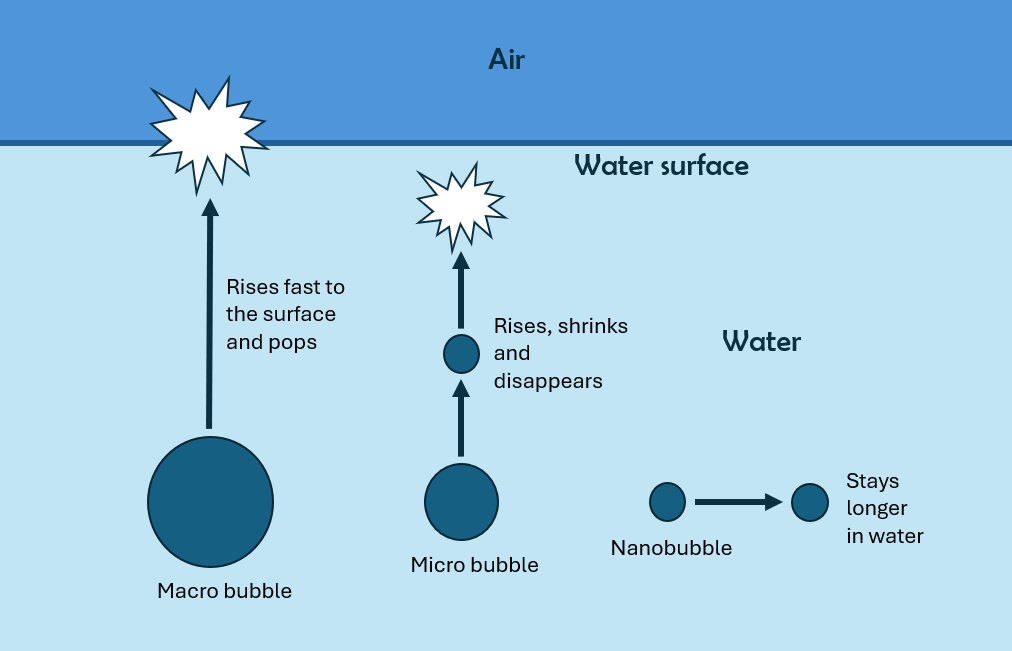
Nanobubbles typically refer to bubbles smaller than 200 nm—gas-filled cavities in water that usually contain air or oxygen. Normal water bubbles rise quickly to the surface and burst, whereas hydrophobic nanobubbles maintain their shape much longer, storing oxygen in the water and increasing its overall oxygen concentration.
There are only a few companies in Europe that add oxygen to water. Finland also has a technology developer, EOD Europe, which has worked extensively with research institutes and growers to find solutions to cultivation challenges.
“Nanobubbles not only increase the oxygen content of water but also improve the aeration of the growing medium, as they remain in the substrate,” explains Henna Niskakoski, Scientific Director at EOD Europe. “In addition, our trials have shown that nanobubbles reduce biofilm formation in pipelines—the accumulation of organic matter. When biofilm decreases, fertilizers become more effective,” she continues. Drip or trickle emitters stay cleaner, reducing the need for maintenance.
Plant Resilience Improves with Fertigation
Adding oxygen to irrigation water—fertigation—has been studied relatively little. EOD’s research has found that plants use nutrients more efficiently, and fertilizer amounts can be reduced by 10–20%. Because nanobubbles lower water’s surface tension, water becomes more accessible to plants. These results align with international studies.
“Oxygen improves nutrient uptake and increases stress tolerance. We’ve also seen that root microbes multiply and overall plant health improves, which boosts both yield quantity and quality,” Henna adds.
Image 2. EOD Scientific Director Henna Niskakoski
Measuring Oxygen Levels in Water Pays Off
Professional growers monitor many factors, but rarely the oxygen level of irrigation water. Although Finnish water quality is often excellent, blind trust is not advisable.
Many farms draw irrigation water from sources where oxygen levels are already low.
“Moreover, oxygen levels always drop as temperature rises, and the smaller the water source, the faster it warms,” Henna notes.
Typically, irrigation water has a dissolved oxygen (DO) level of about 5–8 mg/L. If all other growing conditions are optimal, an unrestricted oxygen level would ideally be 11–20 mg/L. As water temperature rises, oxygen solubility decreases rapidly, and pathogens thrive better in warm water.
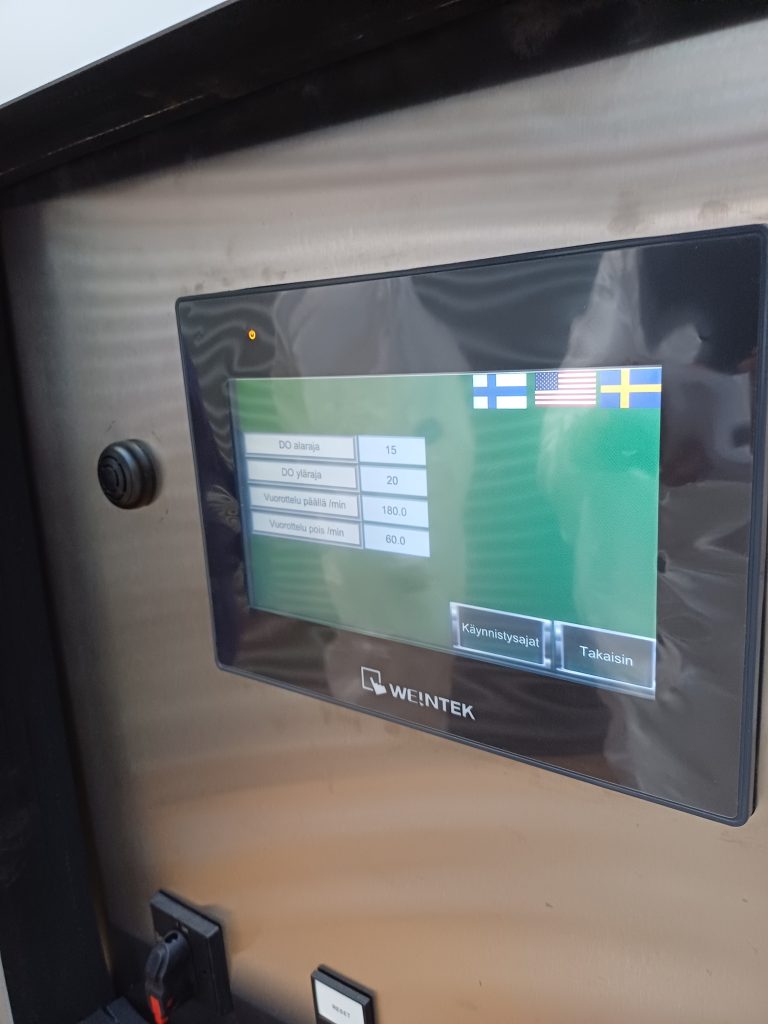
Image 3. EOD Automatic DO Control System
Several methods exist for producing nanobubbles in water. EOD’s oxygenation technology is based on a hydrodynamic process that mimics natural oxygen transfer. In this method, oxygen gas separated from air is mixed with water, and a pressure change creates nanobubbles.
“We chose this method because it’s easy to maintain and tolerates slightly larger particles. Our goal was to provide growers with a long-lasting fertigation system that meets farm needs and operates fully automatically,” Henna explains. The EOD system is developed, designed, and manufactured in Finland, and its remote monitoring ensures fast support.
Is Investing in Nanobubbles Worth It?
Erno Mikkola, owner of Kitsbölen Kotitila in Sauvo, has used oxygen enrichment in irrigation water for nearly four years. During this time, yields have increased annually, and common strawberry diseases have remained under control. The farm draws irrigation water from a nearby pond, where oxygen levels are very low during warm weather—sometimes as low as 4 mg/L.
“Our irrigation water quality isn’t ideal. In 2022, when EOD contacted us, we joined a project testing the effects of oxygen enrichment. The first results were promising, so we decided to continue trials on our farm,” Erno recalls.
Initially, oxygen enrichment was applied to a small test area. When yields improved, the treated area was expanded, and now all tunnel zones receive oxygen-enriched water.
“System implementation was easy, and now we monitor oxygen levels routinely. They stay between 14–20 mg/L on average,” Erno says.
According to EOD, average yield increases in berry farms and greenhouses have been about 5–15%. Growers know that many factors influence yield.
“Fertigation isn’t a miracle cure. But when other growth factors are in place, fertigation can boost productivity on the same area. It’s actually a very ecological solution,” Erno reflects. The farm has also observed a significant reduction in diseases such as powdery mildew. “Overall, we’re very satisfied with the investment,” Erno concludes.
Images: Eija Lankinen and EOD archives
The original article was published in the 2026 Horticultural Calendar.
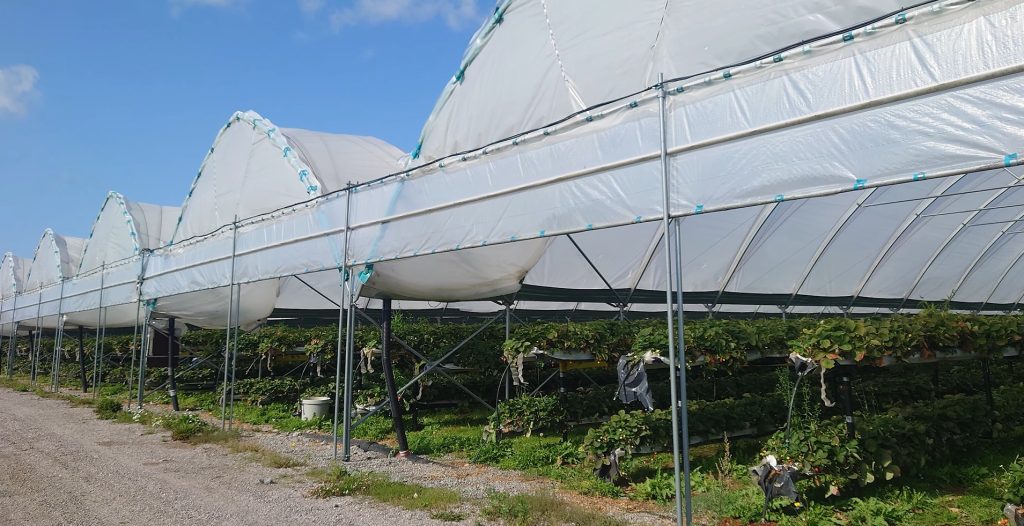
Nevalanmäki Berry Farm has been cultivating berries since 2010 and was among the first to adopt the then-new growing technique of tunnel cultivation in 2014. Today, berries are grown on 2.5 hectares, of which 0.5 hectares are raspberries and the rest strawberries. This past season, the farm boldly took another step forward by investing in a Finnish EOD nano-oxygen generator, Nanoboost.
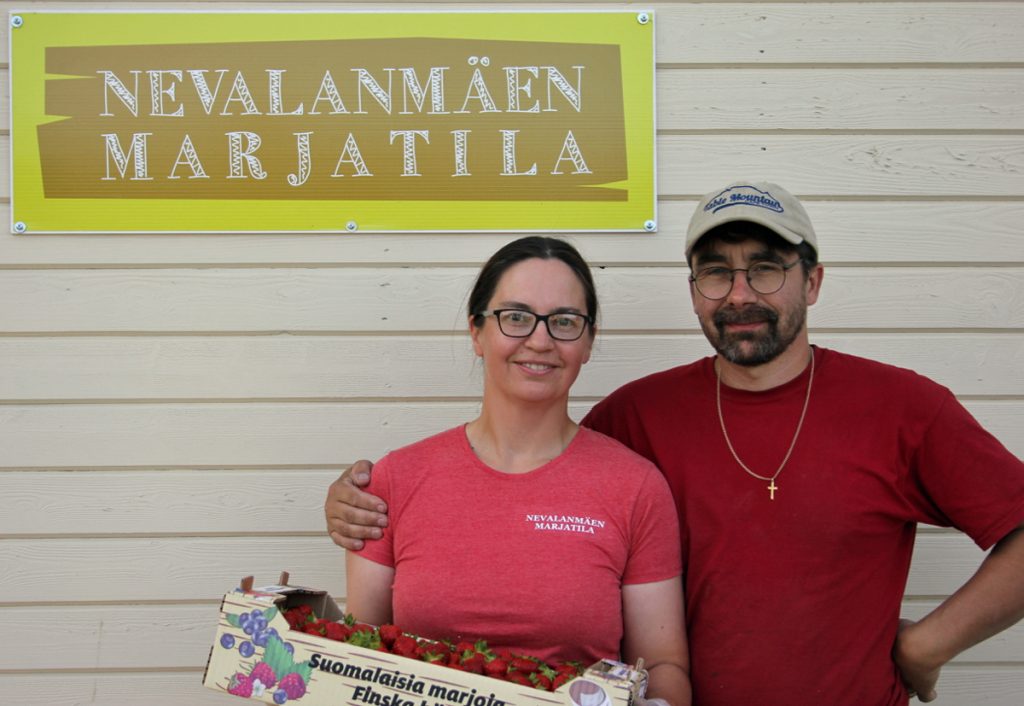
“We had heard about the nano-oxygen device and its benefits, and instead of expanding the farm with new tunnels, we decided to focus on improving the efficiency of our existing area,” says Teresa Majuri, co-owner of Nevalanmäki Berry Farm. Teresa and her husband Jyrki grow strawberries and raspberries in Kytökylä, Haapavesi. Most berries are sold wholesale to local S- and K-chain stores, and the farm also has its own sales points in shops.
“We stopped open-field cultivation last year and now focus solely on tunnel cultivation. Our three sons also help with farm work,” Teresa adds. “In tunnels, conditions can be controlled much better compared to open fields. The quality of the berries is also superior.”
Before deciding on the nano-oxygen generator investment, the farm measured the oxygen level in irrigation water using a device borrowed from Schetelig. As on many farms, the oxygen level was very low—only 2.5 mg/l, while the target is at least 8 mg/l, preferably higher. “We use groundwater, which explains the low oxygen level. Such low oxygen definitely affects plant health and growth,” Teresa notes. “Now we aim to keep irrigation water at 20 mg/l initially. Even though oxygen decreases in the pipes, our measurements never dropped below 10 mg/l.”
Picture 2. Nevalanmäki, Northern Ostrobothnia
Yields Increased and Input Use Decreased
Nevalanmäki Berry Farm keeps detailed records of inputs and yields year by year. “Fertilizer use this season was about 25% lower than in previous years. We also used less irrigation water, which may explain the difference,” Teresa reflects.
“We also made better use of biological growth enhancers like Lalstop. Strawberry plants were clearly healthier throughout the season, and we reduced pesticide use by up to one-third. The only real issue this year was thrips, which made it hard to assess the late season for everbearing varieties. Still, overall strawberry yield was 10% higher, and for some varieties even 20–30%. With this kind of yield increase, the nano-oxygen device pays for itself in a year,” Teresa calculates.
Tips for Those Considering a Nano-Oxygen Investment
Accuracy in calculations is key when planning new investments. Teresa recommends measuring irrigation water oxygen levels and reminds that every farm is different. “We use coarse peat as a growing medium, and irrigation amounts could be reduced thanks to nano-oxygen water—at least based on this summer’s experience. Of course, other substrates may behave differently,” she notes.
“For us, this summer’s results were positive for strawberries, our main crop. For raspberries, results weren’t as good, but there could be many reasons. After the season, we’ll take a short break and then think about how to improve next year, also with nano-oxygen water,” Teresa says.
Running trials on farms is challenging since irrigation water either contains nano-bubbles or doesn’t. “We think a lower level of precision is fine for a production farm. We’re very happy we made this investment. It’s also ecological to unlock the full yield potential of the plants,” Teresa concludes.
Towards Even Better Yields
Picture 3. Towards better yields – “We’re very happy we made this investment. It’s also ecological to unlock the full yield potential of the plants,” Teresa concludes.
Text and photos: Eija Lankinen and Nevalanmäki archives
With Finnish EOD’s nano-bubble oxygen solution, irrigation water gains properties that promote plant health. The solution strengthens plants’ natural defenses and reduces pesticide needs—protecting soil and waterways from unnecessary chemical load. At the same time, profitability improves as yield and quality increase significantly.
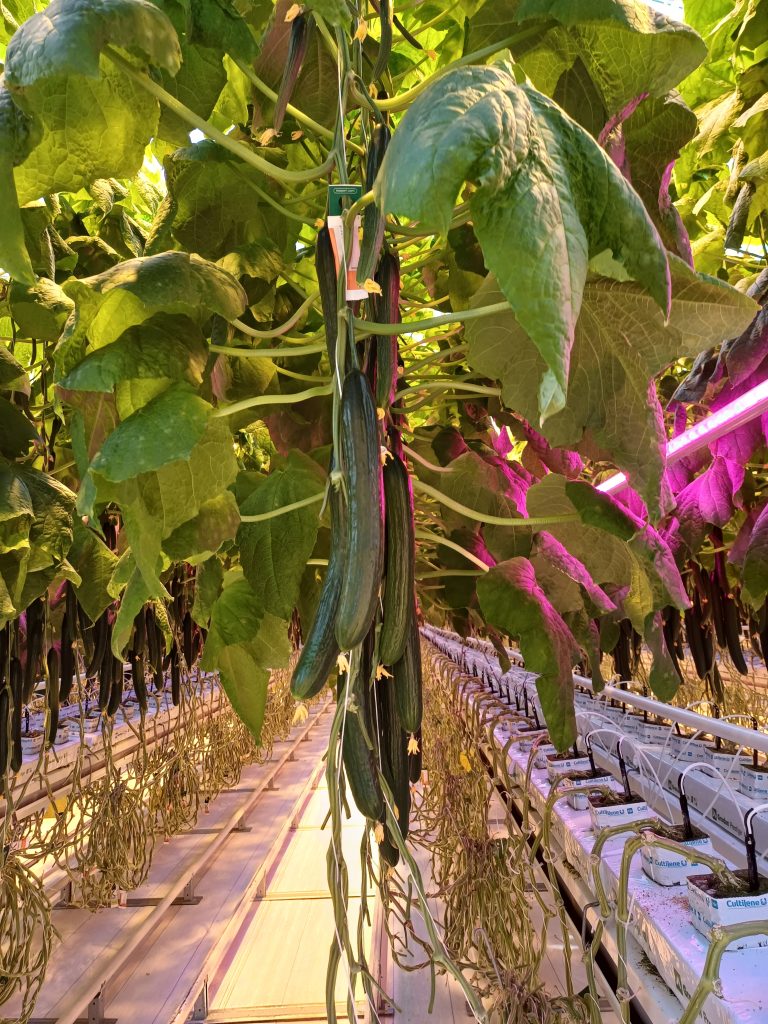
Johan Prinsén is a cucumber and tomato farm located in Närpiö, Finland, operating with a philosophy of maximum efficiency and meticulous care. The farm gained attention in early 2025 for setting a world record in cucumber production, measured in kilograms per square meter. According to HortiDaily, the average yield in the Netherlands is 70.52 kg/m², while Oy Johan Prinsén Ab achieved an astonishing 244 kg/m² in 2024.
Can the record still be improved? This interview explores what has happened at the farm during the 2025 growing season.
Johan Prinsén Ab – Three Generations of Vegetable Farming
Located in Piolahti, Närpiö, the Johan Prinsén farm has been growing vegetables for over three decades. The company has been actively involved in the Närpiön Vihannes growers’ cooperative since its founding, and all products are sold through the cooperative.
In addition to father Johan, the farm is run by his two sons. Jesper Prinsén shares insights into the current state of the farm:
“We currently grow cucumbers in three different greenhouses,” Jesper explains. “The largest one was built in 2015 and is 1.08 hectares in size. The smaller ones were built in 2006 and 2023, with sizes of 0.28 and 0.72 hectares respectively. All three greenhouses operate year-round, though they have slightly different lighting setups,” Jesper adds.
Lighting plays a crucial role in year-round cultivation. Johan Prinsén uses energy-efficient LED lights, while the smaller greenhouses still utilize hybrid lighting—both traditional HPS lamps and LEDs. In January 2025, the largest greenhouse (1.08 ha) transitioned fully to LED lighting.
“We replace the cucumber crops three times a year in all greenhouses, but never all at once. It’s important for us to maintain continuous product delivery to our customers,” Jesper emphasizes.
Benefits of Nanobubbles Observed at the Farm
The farm has always aimed to evolve and improve its cultivation practices, relying on top-tier partners. The Nanoboost system was installed in August 2024.
“We learned about Nanoboost system through EOD reseller, with whom we’ve had a close partnership for years. We wanted to invest in Nanoboost because we believe—and have now seen firsthand—that oxygen-rich water promotes plant health,” Jesper explains. “Our collaboration with reseller and EOD has been smooth, and we haven’t encountered any major issues with the device.”
Founder Johan Prinsén
“We wanted to invest in Nanoboost because we believe—and have now seen firsthand—that oxygen-rich water promotes plant health.” – Jesper Prinsén
During the winter of 2024–2025, the farm experienced some Pythium disease, but according to Jesper, the issues were relatively minor. They believe this was due to the more oxygen-rich water. The crops have been healthier, and yields have been increasing in recent years. Final figures for 2025 are not yet available.
“We haven’t done detailed calculations on savings or the impact of nanobubbles. But since the yield per square meter has increased after implementing Nanoboost, profitability is likely to improve as well,” Jesper estimates.
Step-by-Step Cultivation Development
To keep changes manageable and effects clear, the farm avoids implementing multiple changes at once. Prinsén follows a one-step-at-a-time approach.
“In the newest 0.72-hectare greenhouse, we’ve made only one change in the past year—the introduction of the Nanoboost system. We believe it’s important to proceed one change at a time to better observe the effects,” Jesper says. “We’re willing to wait for results,” he emphasizes.
Last summer’s challenging weather conditions also affected the Prinsén greenhouses.
“During the heatwave, some cucumber plants died, and we experienced a slight dip in yield. However, it wasn’t a disaster,” Jesper notes. He believes oxygen-rich water helped the plants better withstand the heat.
“Only one change was made in the greenhouse this past year—the introduction of the Nanoboost system. We believe it’s important to proceed one change at a time to better observe the effects.” – Jesper Prinsén
Toward Even Better Yields
“We feel that Nanoboost helps us achieve even better yields through improved plant health,” Jesper concludes.
Text and photos: Eija Lankinen and EOD archive
With the Finnish EOD’s oxygen nanobubble solution, irrigation water gains properties that promote plant well-being. The solution strengthens plants’ natural defenses and reduces the need for pesticides—protecting soil and waterways from unnecessary chemical loads. At the same time, profitability improves as yield and quality increase significantly.
The strawberry season at Tyrvännön Marja ja Vihannes was a success this year.
Tyrvännön Marja ja Vihannes Oy is a company founded in 1995, currently cultivating strawberries and raspberries on approximately 8 hectares in tunnels at their home farm and in Lepaa. The cultivation operations are managed by founder Jussipekka Markkanen and his daughter Eeva, while the main owner Eino Markkanen handles leadership, sales, and marketing. The company discontinued open-field strawberry cultivation in 2022, and vegetables are no longer part of the production.
Tyrvännön Marja ja Vihannes was among the first companies in Finland to start tunnel cultivation of raspberries. Their goal is to operate efficiently and maximize the use of every square meter, which has led them to invest in solutions that enhance productivity.
The company can be considered a pioneer in many respects. Jussipekka, Eino, and Eeva regularly attend horticultural events across Europe and actively follow the latest industry news.
Why Did They Become Interested in Nanobubble Water?
– While visiting exhibitions in Europe, we came across nanobubbles and their effects on irrigation water, says Jussipekka. He has also read related news in publications like HortiDaily and followed the success of other companies using nanobubbles with great interest. – We were particularly interested in the technology because we wanted to improve the quality of our irrigation water. At our home farm, the water is sourced from a man-made reservoir, and its oxygen level has been as low as 2–3 mg/l, while the target is at least 11 mg/l. We made this investment with the goal of significantly reducing the risks caused by plant diseases, Jussipekka
A Successful Investment
Founder Jussipekka Markkanen is pleased with the growth results achieved using oxygen nanobubble water.
Effects on Plant Wellbeing and Yield
One of the most notable observations during the growing season was the significant reduction in leaf edge burn. – Leaf edge burn, caused by calcium deficiency, is typical for our most cultivated strawberry variety, Favori. This year, its occurrence was much lower, which was also evident in the plant analyses we conduct every other week during the season. When the root system is healthy, calcium transport improves, Jussipekka describes.
Another nutrient-related observation was that certain micronutrient supplements were unusually unnecessary this year.
Despite varying weather conditions, plant diseases remained under control throughout the season. For example, powdery mildew appeared only at the very end of the season, and no root diseases were observed in strawberries.
– In raspberries, some root disease caused by Phytophthora was detected, but this was due to the plant material. Even then, the situation was not entirely lost – perhaps nanobubbles helped there too, Jussipekka reflects.
It was also observed that the average size and yield of strawberries were higher. – We always calculate our investments carefully, and even a 2% increase in yield is enough to cover the cost of the nanobubble device. Based on the first summer’s experience, we can say the investment was successful, Jussipekka states.
Things to Consider for Those Thinking About Investing in Nanobubbles
Tyrvännön Marja ja Vihannes chose a domestic supplier for their nanobubble device. – “It was important for us that the equipment is easy to maintain and that we can get service support from Finland if needed. I also recommend adding a DO sensor to the system, which allows for more precise control of oxygen levels in the intermediate tank,” says Jussipekka.
It’s good to remember that while oxygen enrichment in irrigation water has shown positive results, it cannot fix fundamental cultivation errors. Cultivation skills cannot be emphasized enough. Nanobubbles can improve existing conditions, but if other aspects are not in order, they cannot magically make things better. – If the farm’s cultivation techniques are otherwise solid, oxygen fertilization can further enhance production efficiency, Jussipekka concludes.
Text and photos: Eija Lankinen
With the Finnish EOD oxygen nanobubble solution, irrigation water gains properties that promote plant wellbeing. The solution strengthens plants’ natural defenses and reduces the need for pesticides – protecting soil and waterways from unnecessary chemical loads. At the same time, cultivation profitability improves as yield and quality increase significantly.
The yield was consistent, and berry size was larger than usual. Nanoboost device at Tyrvännön Marja ja Vihannes. The farm’s water tank ensures sufficient water even during hot weather. The development of strawberry root systems at Tyrvännön Marja ja Vihannes was exceptionally even this year.
How can this powerful innovation enhance plant growth and productivity? EOD’s oxygen nanobubble solution delivers more oxygen to plants, creating optimal growing conditions – resulting in healthier crops and higher yields!
In this video, you’ll hear farmers’ experiences, expert insights from researchers, and key details from technology developers on how oxygen nanobubbles are transforming plant production. The technology has been validated within the EIP AGRI project, demonstrating its wide-ranging benefits.
Agriculture and Forestry Newspaper reports in an extensive article on the need for new technological and digital solutions in agricultural primary production and business operations to secure competitiveness. The functionality and applicability of the technology developed during the EIP research project “Enhancing and Securing the Primary Production of Agriculture with the Help of New Nanobubble Technology” have been studied in practice with the primary production companies involved in the project, demonstrating the benefits offered by the technology to farmers.
Primary agricultural production and entrepreneurship require new technological and digital solutions to remain competitive. The project group of the ongoing EIP (European Innovation Partnership) project “Improving and Securing Primary Agricultural Production with the Help of New Nanobubble Technology” includes Satakunta University of Applied Sciences, EOD Oy, Robbes Lilla Trädgård Ab, Agrifutura Tomaatit Oy, and Nonre Oy. This three-year project will continue until the end of 2024.
The project aims to develop a technology for producing nano-sized gas bubbles in irrigation water and to conduct practical experiments to study the functionality and suitability of the technology at three different primary production sites involved in the EIP innovation group. It also examines the impact of nanobubbles on the microbiology of irrigation water systems. This chemical-free technology supports food producers in the green transition from farm to fork by reducing chemical loads and minimizing the carbon footprint. Additionally, it aims to improve hygiene and product shelf life.
The oxygen content of irrigation water reaching the roots significantly impacts plant well-being, enhancing immunity, nutrient absorption capacity, yield, and growth rate. By producing oxygen in water in the form of nanobubbles, plant growth and productivity can be significantly improved, potentially increasing yields by tens of percent. This project will create a system that has not yet been used to enhance plant or berry growth. During the project, theory will be put into practice.
Timo Kantola, founder of EOD Oy, which develops and markets irrigation equipment utilizing nanobubble technology, mentions that the company’s goal is to make the world a little better while ensuring that the end user of their product earns more money than before.
“Validation is needed to develop and improve the technology application, and it is easier to achieve commercial success with the help of partners,” Kantola says. He adds that as harmful chemicals are phased out, new and better solutions are needed. EOD’s application aims to help in this regard. “We focus on balancing the conditions of plants with oxygen and nanobubbles, reducing the need for pesticide use in advance. Through the project, we aim to optimize our equipment’s operation, improve its reliability, and address the issues of the initial version.”
Utilizing Nanobubble Technology in Plant Cultivation
Martti Latva, Head of Research Centre Wander at Satakunta University of Applied Sciences, says that Wander conducts versatile water-related research. Formerly known as the Water Institute, Wander is involved in both basic and applied research for the project.
“Nanobubbles are a new discovery, and producing them represents a new technology being developed worldwide. While nanobubbles can be produced with different technologies, the hydrodynamic cavitation used by EOD Oy is currently the most efficient. Our research centre aims to understand the opportunities offered by nanobubble technology and provide scientific evidence.”
“This is a complex issue involving how a plant uses water, nutrients, micronutrients, and oxygen, and these issues are often plant-specific. Research collaboration, such as with Elina Järvinen for tunnel strawberries, is part of our work, and we also involve tomato and lettuce production sites.”
One challenge is making the benefits of nanobubble technology measurable, such as determining how much fertilizer can be reduced and how much more can be harvested. So far, the focus has been on the added value of nanobubble technology, without addressing fertilization practices. Investigating plant health issues also presents challenges.
“There are clear indications of the benefits of nanobubble technology, but we do not yet know how to measure and utilize them fully. The project will provide a good start, but we won’t cover the entire topic by the end of the year. Plant health is especially complex. We assume that increased oxygen may make plants more resistant, but we don’t fully understand the mechanism yet.” Latva notes that plant well-being is influenced by many factors, such as weather conditions and location, making ongoing research difficult.
“Carbon dioxide enters the plant through the air, but oxygen enters through the root system. Therefore, irrigation water must contain oxygen for it to benefit the plant.” Kantola strongly believes in the importance of balance. “We have reached over a dozen commercial customers since the project started. We’ve encountered gardens with serious pythium problems that were quickly resolved by increasing the oxygen content of the irrigation water using our technology.”
This achievement is significant considering the European market for pesticides and fungicides, valued at around EUR 28 billion annually. “If the EU aims to halve the current chemical load, we are talking about a huge change, and we are looking to play our part.”
Nanobubble Technology in Practice
Elina Järvinen, an agrologist and hortonomist responsible for the cultivation at Nonre Oy’s Kitsböle home farm, oversees plant care, fertilization, monitoring, and biological control. Her task in this project is to report on the strawberry test rows in the tunnels.
“If a plant’s root system has enough oxygen available, the overall appearance of the plant is completely different from that of a plant growing in low-oxygen conditions.”
“Insufficient oxygen in the substrate affects the plant’s ability to absorb nutrients and cope with stressful situations, such as heat. A healthy root system and nutrient flow immediately impact crop and plant health.”
“The most significant benefit from our perspective would be ensuring that plant health remains as good and stable as possible, preventing plant diseases without chemicals by improving growing conditions. Nanobubble technology might be why we haven’t faced any plant diseases. It also seems to allow for more consistent irrigation. I believe nanobubbles have been beneficial for us.”
300% More Efficient in Increasing Oxygen Content
According to Kantola, traditional methods of oxidizing irrigation water with an air compressor have been extremely inefficient. “Our methods are at least 300% more efficient than previous technologies.”
Kantola recalls his grandmother’s advice to let well water stand for a day before watering flowers to allow it to oxygenate. “There were no pesticides or chemicals back then. The wisdom of the old folk has only been forgotten for a while and is now being reintroduced in a more efficient form.”
Elina Järvinen adds that achieving results in crop cultivation is the sum of many factors and requires significant effort. She believes in the positive signals generated by nanobubble technology in field trials and hopes further research will confirm these findings.
Nanobubble Technology Availability
The nanobubble technology developed by EOD is already used by more than a dozen professional gardens in Finland to oxygenate irrigation water. The redesigned device now operates completely automatically, allowing the operator to set the desired oxygen level, after which the machine handles the rest. Schetelig Oy, the oldest operator in the Finnish market garden sector, manages EOD’s equipment sales in Finland.
Current knowledge suggests that nanobubble technology can increase plant production by up to 20%. “In the first year, tunnel strawberry experiments increased production by 15.5% compared to the reference area,” notes Latva.
Kantola emphasizes the importance of cultivating without harmful chemical residues, benefiting both consumers and farmers. “In addition to increased production, the average size of products can be improved, and more even harvest years are possible. Many factors impact the farmer’s bottom line.”
Järvinen states that while berry farms in Finland and elsewhere in the EU share farming practices, the substances, techniques, and starting points vary greatly. “Finnish food products have significantly lower levels of pesticide residues. Reducing chemicals or fertilizers while increasing the amount of berries in commercial condition aligns with the entrepreneur’s ideology. The goal is to produce the best possible crop at the lowest possible cost.”
Martti Latva concludes by mentioning that there will be one more growing season for strawberries and tomatoes within the project framework, in addition to continuous lettuce growing.