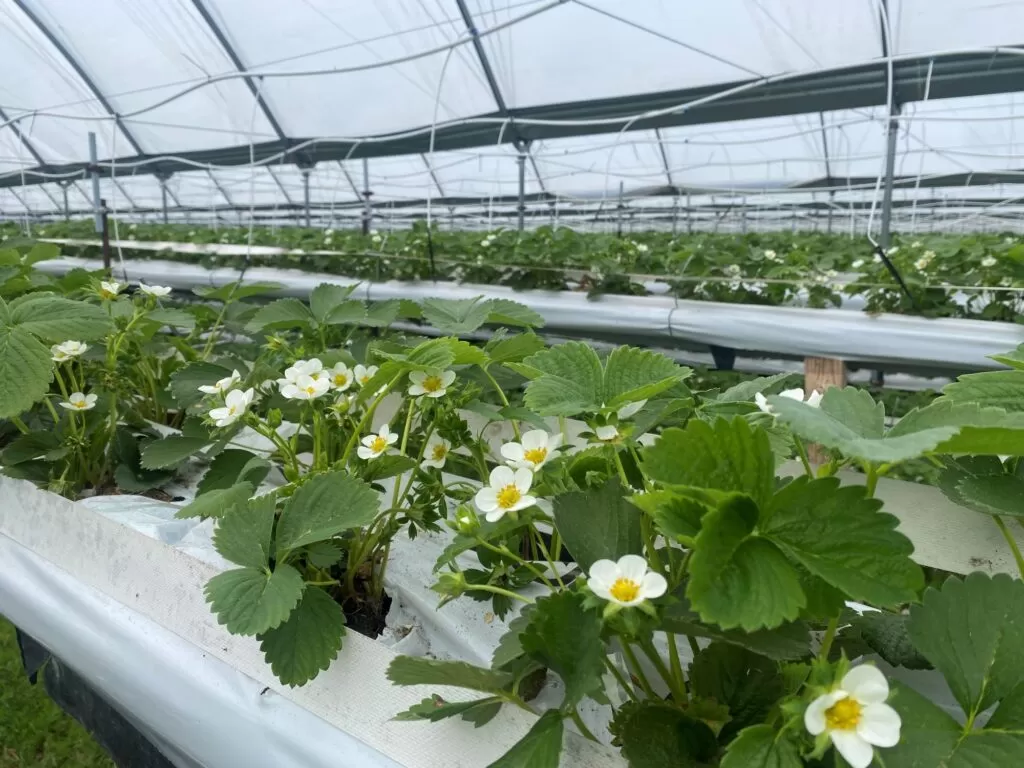
Oxygen nanobubble technology makes crop production more efficient
An EIP project led by the Wander Research Centre at Satakunta University of Applied Sciences developed a new oxygen fertilisation method, in which oxygen-filled nanobubbles are added to irrigation water. Working with companies and research organisations, the project tested the method in real growing conditions in strawberry, tomato and lettuce production.
The results showed that oxygen nanobubble technology can raise yields, help plants use nutrients more efficiently and reduce plant disease. In the best case, strawberry production rose by almost 20 per cent. The project also found that oxygen nanobubbles have a significant effect on how nutrients move through plants. This creates opportunities to fine-tune fertilisation and use resources more efficiently.
The project showed that the technology works in practical conditions. It also identified the factors that affect the results, such as when irrigation is done, the composition of the nutrient solution and the growing conditions. The results support the development of sustainable, competitive agricultural production and the green transition.
Wander Research Centre’s report on the nanobubble study
Watch the video on making agricultural production more efficient with nanobubbles



Interested?
Please contact us for further information.